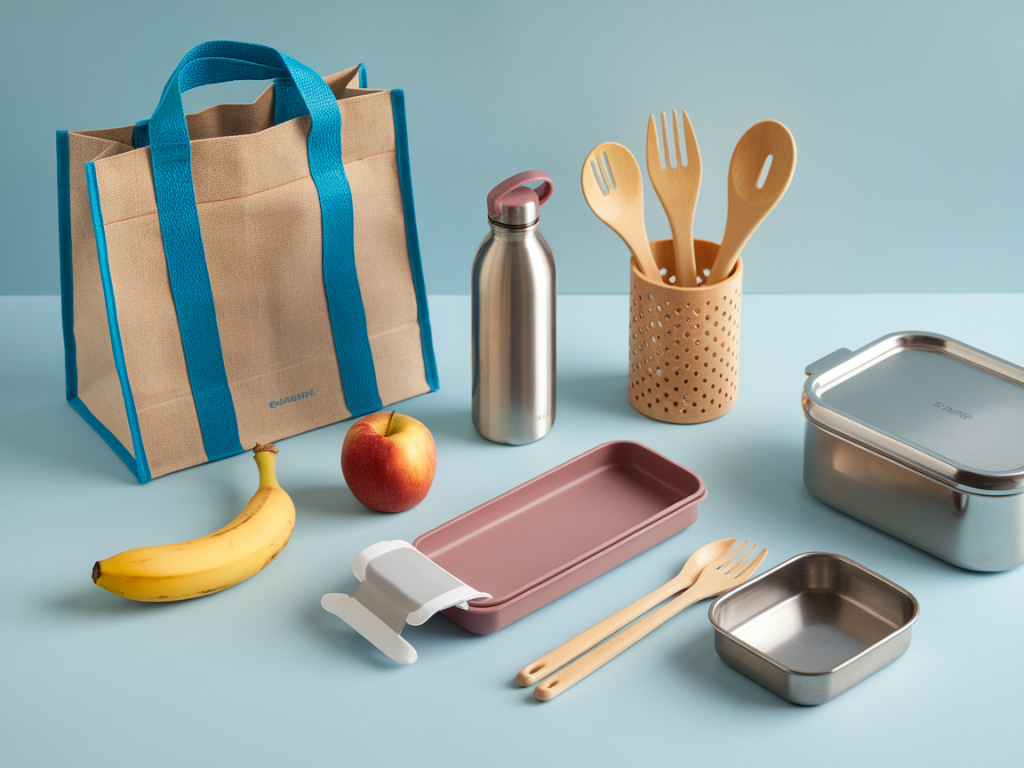
I started thinking seriously about sustainable swaps in the kitchen when I realised that “eco-friendly” and “save money” don’t always go hand in hand — at least not straight away. Like many of you, I wanted changes that felt doable, honest, and actually helpful to my household budget within a few months. Over the last year I tested a handful of swaps in my small sunlit kitchen and tracked costs, waste, and time. Here are the ones that genuinely paid for themselves within about three months, plus a few near-misses that are still worth considering.
Why three months?
Three months felt like a practical window: long enough to see repeated benefits and account for habit-building, but short enough to know whether a change is realistic. For most households, small recurring purchases (tea bags, cling film, sponges, milk) add up quickly. If a swap reduces those recurring costs, you often see the financial impact fast.
What I tracked
I kept a simple notebook and a spreadsheet. For each swap I logged:
- Upfront cost (what I paid)
- Monthly change in recurring cost (what I no longer bought or bought less of)
- Waste reduction (less plastic, food saved)
- Practicality and time cost — if something saves money but takes three hours every week, that's not a win for me
Swaps that saved money within three months
These are the practical swaps I recommend first. They’re cheap to start or have a quick payback and fit into busy lives.
Reusable beeswax or silicone food wraps instead of cling film
I bought a small pack of beeswax wraps and a couple of silicone bowl covers for about £15 in total. Before that I used a roll of cling film every two weeks for leftovers and packed lunches — roughly £4–£5 per month. The wraps are still going strong after six months and the silicone covers are dishwasher-safe. My payback: roughly three months.
- Upfront: £15
- Monthly saved: ~£5
- Waste reduced: significant plastic cling-film usage
Refillable cleaning bottles and concentrated refills
Switching to refillable glass spray bottles and concentrated cleaning refills (I like the brands that give labelling and clear dilution ratios; you can find good refill pouches from common supermarket brands or smaller eco companies) cost me about £12 to start and saved roughly £6–£8 per month compared to single-use spray bottles. The pouches are lighter to transport and cost less per clean.
Loose-leaf tea or reusable tea bags
I used to buy boxed tea bags. I swapped to loose-leaf tea stored in a small airtight jar and used an infuser. The upfront cost for a decent tin of loose tea was slightly higher, but the cost-per-cup is much lower. If you prefer convenience, a reusable stainless steel tea infuser or reusable cotton tea bags cost around £5–£10 and paid for themselves in about two months in my house.
Cloth kitchen roll instead of disposable kitchen rolls
This one was a bit of a game-changer. I started with a set of 10 cloth kitchen towels made from absorbent cotton for about £20. We launder them weekly with other towels. Before, we went through a roll or more per week — about £4 per week. Even accounting for laundry cost, the towels paid back around three months and reduced packaging waste dramatically.
Stainless-steel water bottle and takeaway coffee cup
Between buying bottled water and takeout coffees, I was easily spending £30–£40 a month. A sturdy water bottle and an insulated reusable coffee cup cost about £30 combined. If you bring just a few coffees and avoid occasional bottled water, the switch can pay for itself in two months. The added benefit is fewer midweek dashes to the shop.
Buying bulk staples from the refill shop
I started buying rice, oats, lentils and some flours from the refill section at our local coop or independent refillery. I used my own jars. While some bulk items aren’t cheaper (sometimes slightly more), many staples were — especially pulses and oats — and I cut packaging costs. Over three months, the savings are clearer if you buy staples regularly. Plus I wasted less because I only bought what I needed and found homemade oat porridge to be cheaper than store-bought breakfasts.
Small habits that compound
Some cheap changes aren’t big one-off purchases but habits that save both waste and money:
- Batch cooking and freezing portions: I cook double portions and freeze. Saves both time and reduces the temptation to order takeout.
- Meal planning: Even a simple weekly plan reduced food waste and last-minute shopping.
- Using leftover veg for soup or stocks: I make a vegetable stock pot each week and freeze it in ice cube trays — instant flavour and a reduction in buying stock cartons.
Table: example three-month costs and savings (typical UK household)
| Swap | Upfront cost | Monthly saving | Savings in 3 months | Payback time |
|---|---|---|---|---|
| Beeswax/silicone wraps | £15 | £5 | £15 | ~3 months |
| Refill cleaning pouches + bottle | £12 | £7 | £21 | <3 months |
| Cloth kitchen towels (10) | £20 | £12 (after laundry) | £36 | <2 months |
| Reusable bottle + cup | £30 | £15 | £45 | ~2 months |
Swaps that look sustainable but took longer than three months
Not every green switch gives quick financial returns. I want to be honest about those so you don’t start expecting instant wins where they’re unlikely.
Expensive compost bins or electric food waste collectors
A high-end home composter or electric unit can be brilliant for reducing waste, but some models cost £100–£300. If you already have a garden and use the compost, the value is clear over time — but the payback period is typically more than three months unless you currently buy compost or mulch frequently.
Single-origin organic products
Choosing organic is often better for the environment in specific ways, but it usually costs more at point of sale. If your priority is both sustainability and quick savings, focus on reducing single-use items and household waste first.
How I built these habits without overwhelm
I started with one swap each month and measured it. First month: reusable bottle and cup. Second month: cloth kitchen towels. Third month: refill cleaning pouches. That gradual approach helped me stick to new habits without feeling like I needed a full kitchen overhaul.
Tips if you want to try these swaps
- Start small: choose one recurring purchase to replace.
- Keep receipts and track what you stop buying — the small wins add up.
- Ask friends or local groups for secondhand options — many refillable glass bottles or kitchen cloths are fine pre-loved.
- Combine swaps with small rituals (a weekly laundry day for cloth towels, a jar for bulk purchases) so they become part of life, not chores.
If you’re curious about exact brands I tried: I bought beeswax wraps from a small UK maker on Etsy, a stainless steel insulated cup from KeepCup, and refill pouches from a local refill co-op that stocks reputable eco cleaning ranges. None of them are essential; the principle is what matters — choose durable, repairable items and local refill options where possible.
On Restoring Daisy (https://www.restoringdaisy.co.uk) I’ll keep sharing gentle experiments like this — practical swaps that don’t demand perfection but do make everyday life a little brighter, quieter, and often cheaper. If one of these ideas resonates, try it for a month and let me know how it goes — I love hearing small success stories and useful tweaks readers discover.