Some nights, when the house finally quiets and the adrenaline from the day fades, I still find my mind racing. As a parent I’ve learned that tiredness isn’t just physical — it’s a jumble of undone tasks, small worries about the kids, and a low-level guilt about what I didn’t finish. Over time I’ve pulled together a small, realistic evening reset that helps me sleep more deeply and wake with a clearer head. It’s seven simple steps that take about 30–45 minutes in total, most nights, and they feel gentle rather than another thing to tick off a list.
Set a soft boundary: the 30-minute wind-down announcement
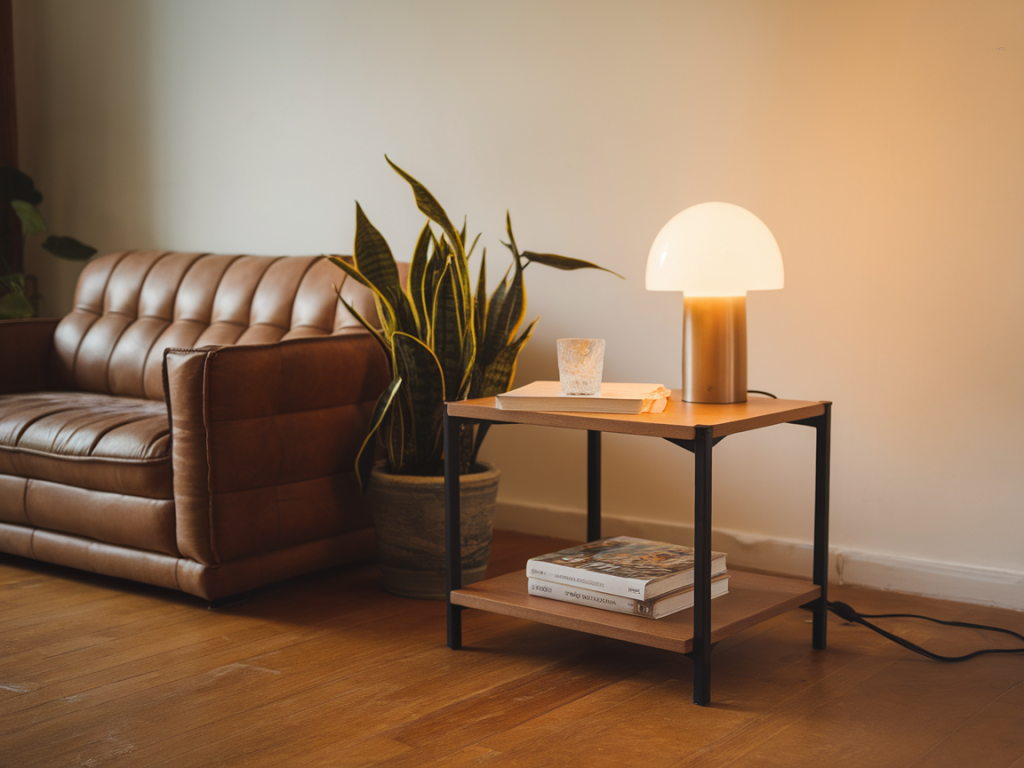
I start by giving the household (and myself) a soft, kind signal that bedtime is approaching. This might be a gentle announcement — “30 minutes until quiet time” — or dimming the living-room lamp to a warm glow. The point isn’t stern enforcement; it’s to create a predictable transition that nudges everyone toward calmer activity. For me, dim lighting is powerful: I switch to warm bulbs or plug in a small LED sunset lamp (I like the Philips Hue warm scenes for their adjustable glow). The visual cue helps my brain register that the day is slowing down.
Tidy for five: one small surface, zero pressure
Clutter fuels the buzzing thoughts that keep me awake. Instead of undertaking a late-night deep clean, I spend exactly five minutes clearing one surface — the kitchen counter, the hall table, or the coffee table. I put dishes in the dishwasher, fold a stray blanket, and gather any shoes by the door. This tiny act makes the home feel calmer and reduces the mental “to-do” list swirling in my head. I set a timer on my phone so it feels contained and quick. You’d be surprised how much lighter your mind feels when the visible clutter is reduced.
Simple supper reset: a light, stabilising bite
I aim for something small that won’t disrupt sleep but will stop me thinking about food an hour later. A bowl of natural yogurt with honey and toasted oats, a slice of wholegrain toast with almond butter, or a mug of miso soup are favourites. If I need something more nourishing I’ll do a quick omelette with herbs — protein helps stabilise blood sugar through the night. I avoid heavy meals, too much sugar, and large amounts of caffeine in the evening. When I have little ones up late, keeping my snack simple prevents me from overeating out of habit or stress.
Declutter the brain: a five-minute brain dump
This is one of the most effective steps for me. I keep a small notepad by the kitchen or on my bedside table and write down anything that’s looping in my head: tasks, tomorrow’s appointments, a fleeting worry. The rule is to write without editing — capture everything or at least the things that feel sticky. Once it’s on paper, my mind often lets go. If something needs action the next day I add it to my to-do list; otherwise I let it sit in a “park” section on the page. Sometimes I tear off the page and put it in a drawer to symbolically close the day.
Short mindful ritual: 5–10 minutes to breathe and body-scan
I don’t always manage a long meditation, and that’s okay. My evening reset includes a short, guided breathing or body-scan practice that takes no more than 10 minutes. I use an app like Insight Timer or a favourite five-minute YouTube body-scan when I need structure, but often I simply sit quietly with my hands on my lap and follow my breath: in for four, out for six. Then I do a brief mental scan from head to toe, noticing tension and intentionally softening it. This tiny ritual calms the nervous system and signals to my body that sleep time is safe.
Create a bedroom theatre: cool, quiet, and welcoming
My bedroom is where I intentionally make small comforts count. I keep the room cooler than the rest of the house (around 16–18°C when I can) and use breathable cotton sheets. A small bedside lamp with a fabric shade gives just enough light for reading without blasting the room. I also use a white-noise app or a small bedside fan to mask sporadic household noises — it makes night awakenings less disruptive. If you find scents relaxing, a few drops of lavender on a cotton pad or a calming pillow spray (I sometimes use Neal’s Yard or a simple DIY lavender mist) can be soothing. Avoid screens in bed; instead I keep a paperback or a notebook for any last-minute thoughts.
Set a gentle morning anchor: one thing to look forward to
Part of sleeping well is waking with purpose rather than dread. Before I turn out the light I decide on one small, positive thing I’ll do for myself in the morning. It could be a cup of tea by the window, a five-minute stretch, or stepping outside to feel the air. This tiny anchor gives my morning a gentle shape and reduces the tendency to ruminate in bed. For parents, the anchor doesn’t need to be long or aspirational — it’s simply a promise of a kind, achievable start to the day.
These seven steps are intentionally flexible. Some nights I do each one in order; other nights I pick three or four that feel necessary. The point is consistency, not perfection. When I follow this routine, I notice two things: my sleep deepens, and my morning fog lifts faster. Most importantly, the ritual itself is an act of care — a way of telling myself that my rest matters.
If you’d like a printable checklist or a shorter “starter” version of this reset (three steps to try tonight), I’d be happy to put one together. Tell me which part feels the hardest for you — lighting, decluttering, or letting go of screens — and I can share specific, practical tweaks that have worked for me and other parents I’ve chatted with on the blog.