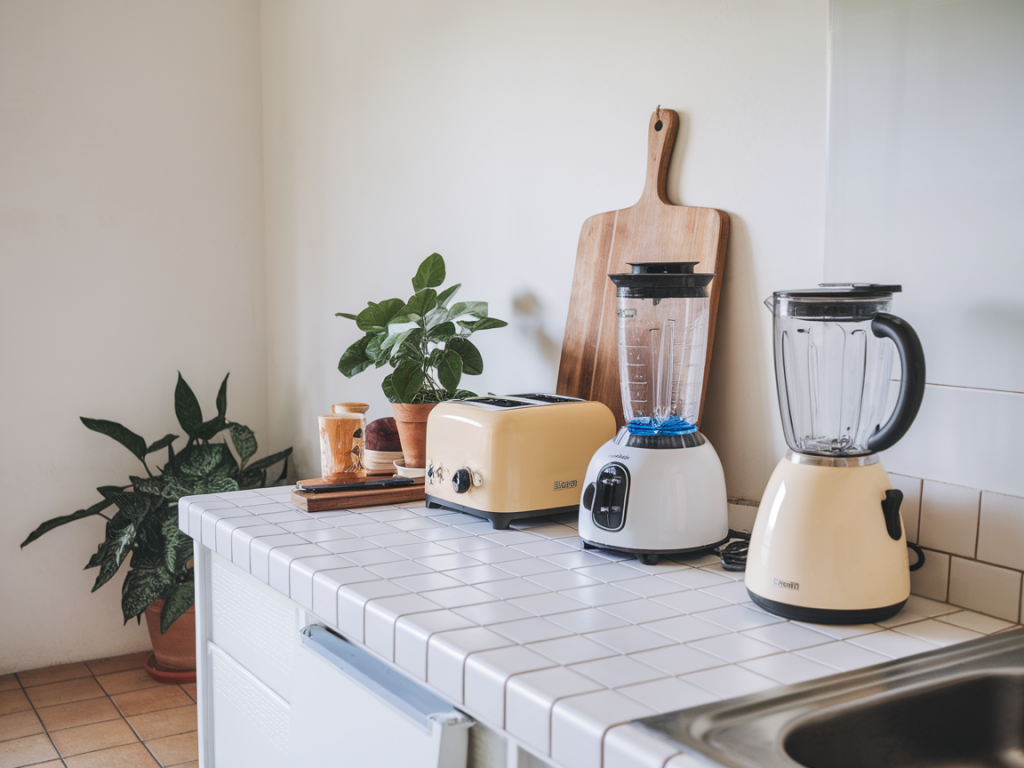
Even on the busiest days, there's a simple ritual that helps me close the kitchen with a sense of calm: the four-minute declutter. It sounds almost too good to be true, but after I started treating a brief, focused tidy as a non-negotiable part of my evening, the clutter didn't creep back in the same way. Counters stayed clearer, the kitchen felt more inviting, and small moments of peace multiplied. I want to share how I do it—practical steps, little tweaks that make it stick, and the gentle mindset that keeps it from becoming another chore on the list.
Why four minutes?
Four minutes is long enough to make real progress, but short enough to feel manageable every day. I chose this length because it fits into the natural transitions of the evening—right after dinner, before a shower, or while a kettle cools. When a task has a clear, small time boundary it’s easier to begin and to finish. For me, the goal is not perfection; it’s to create a predictable moment that prevents the counters from becoming a dumping ground.
My simple four-minute sequence
I follow the same basic order each night so the process happens automatically. Repetition turns it into a habit, and that consistency is the real secret. My steps look like this:
If these four actions feel familiar, that’s deliberate. They tackle the most obvious culprits that make counters feel messy: dishes, stray belongings, sticky spots, and lack of intentional styling. Done in sequence, they take minutes and make the kitchen feel instantly renewed.
Tools I keep handy
Having the right small toolkit reduces friction. Keep things simple and accessible—this is not the time for elaborate gear. Here’s what I keep within arm’s reach:
Store the cloth and cleaner under the sink or in a small shelf above countertop height so you can grab them without opening cupboards. The easier it is, the more likely you'll do it.
How I keep the habit kind, not punitive
At first I noticed I’d get annoyed with myself for letting things pile up. I shifted the tone by framing the ritual as an act of care rather than punishment. I set an upbeat timer on my phone—four minutes feels playful when it’s a small challenge instead of a verdict on your day. Sometimes I put on a 3–4 minute song (I have a tiny playlist of short indie or instrumental tracks) and tidy in time to the music. It transforms the task into a short ritual that signals the day is winding down.
On days when four minutes isn’t possible—illness, late nights, travel—I adapt. Even one minute to clear the most visible items helps. The point is to keep the practice flexible and forgiving.
What to do about the clutter that won’t budge
Not all clutter is solved in four minutes. If your countertops regularly gather many things because you’re missing storage or haven’t decided on homes for items, schedule a ten- or twenty-minute “home assignment” on the weekend. During that time I:
Small investments make a huge difference. I bought a basic bamboo knife stand and a compact magnetic knife strip for our wall; it cleared a bulky block and made the counter feel lighter. If you prefer an eco-friendly option, I’ve found secondhand markets and charity shops are full of useful trays and jars that suit rustic or simple interiors.
Evenings that feel brighter—practical examples
Here are a few real-life snapshots of how the ritual works in different households:
How this ritual nudges other habits
Once I had a nightly tidy in place, a few other habits naturally followed. I started prepping a lunchbox more often because there was space to see what was left in the fridge. I found myself making small repairs earlier—tightening a loose cabinet handle, replacing a sponge—because things didn’t feel overwhelming. Most unexpectedly, I noticed I slept better when the kitchen felt settled; walking into a calm space the next morning sets a gentle tone for the day.
Tips to personalise your four-minute ritual
Make the ritual yours. Here are some little prompts I use and recommend:
This tiny ritual won’t overhaul your whole home overnight. But practiced regularly, it reshapes the surface of daily life. Four focused minutes are an easy, kind investment in starting tomorrow from a calmer place—and that kind of steady attention is exactly the kind of small change I believe adds up into something much kinder to live with.