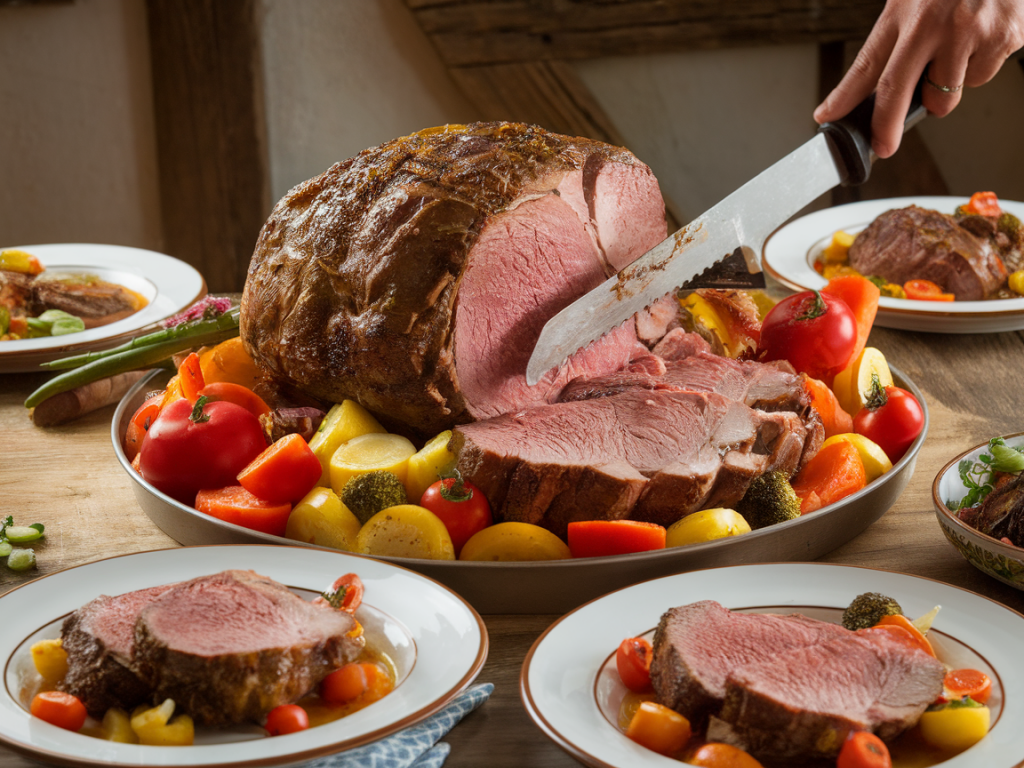
I love a good Sunday roast — the slow-cooked joint, the caramelised veg, the gravy that somehow makes everything feel like home. But I also hate wasting time and food. Over the years I've learned to think of a roast as more than a single meal: with a little planning and the humble freezer, one Sunday can turn into five easy, delicious meals. Here’s how I do it, step by step, with plenty of clever swaps for busy evenings.
Why plan to stretch a roast?
It’s practical and gentle. When I prepare one larger roast, I save time later in the week, reduce food waste, and get more variety for the family without much extra effort. It’s also kinder to the wallet — and there’s something quietly satisfying about creating different dishes from the same set of flavours. I like to keep things simple: a few mindful steps after the roast are all it takes to unlock several more meals.
What to do straight after the roast
The moments immediately after the roast are crucial. While I’m still in the kitchen, I do a little mise en place for the week.
If you have leftover roasted vegetables, sort them too: crispier veg like roasted carrots or parsnips can lose their texture after freezing, so I often use them first in the week and freeze softer veg like braised onions or squash for later.
The five meals I aim for
From one roast, my goal is five satisfying meals across the week. These are flexible ideas — you can swap proteins, starches and vegetables to suit what you have on hand.
Quick stock: the simplest way to use bones
| What you need | Method |
| Roast bones, onion, carrot, celery, bay leaf, peppercorns, water | Pop everything into a large pot, cover with water, simmer gently for 2–4 hours. Strain, cool, and freeze in portions. |
Tip: If you’re short on time, cover bones with water, add a splash of white wine and a bay leaf, and simmer for 45 minutes. It won’t be as concentrated, but it makes a lovely base for soups and sauces.
Smart swaps that save time and add variety
I often make small ingredient swaps to keep meals interesting and quicker to prepare.
Freezing and reheating — my simple rules
Freezing is only as good as the way you thaw and reheat. I follow a few basic rules that keep food tasting fresh:
How I plan a roast with five meals in mind
When I buy a joint, I already have the week mapped in my head. I estimate portions, make a shopping list that includes a can of tomatoes, a tin of chickpeas, a pack of pasta, and frozen veg — items that transform leftovers quickly. On Sunday I cook with the intention of making stock, slicing meat, and portioning for the freezer. That small extra 20 minutes at the end of the day pays off all week.
Stretching a roast this way doesn’t feel like scrimping — it feels creative. You get the comfort of the original dish again and again, in new forms that suit different moods and evenings. If you try this, I’d love to hear which swaps you make and which meal becomes your favourite repeat. Small changes like these help me keep cooking realistic, enjoyable, and kind to my time and resources.