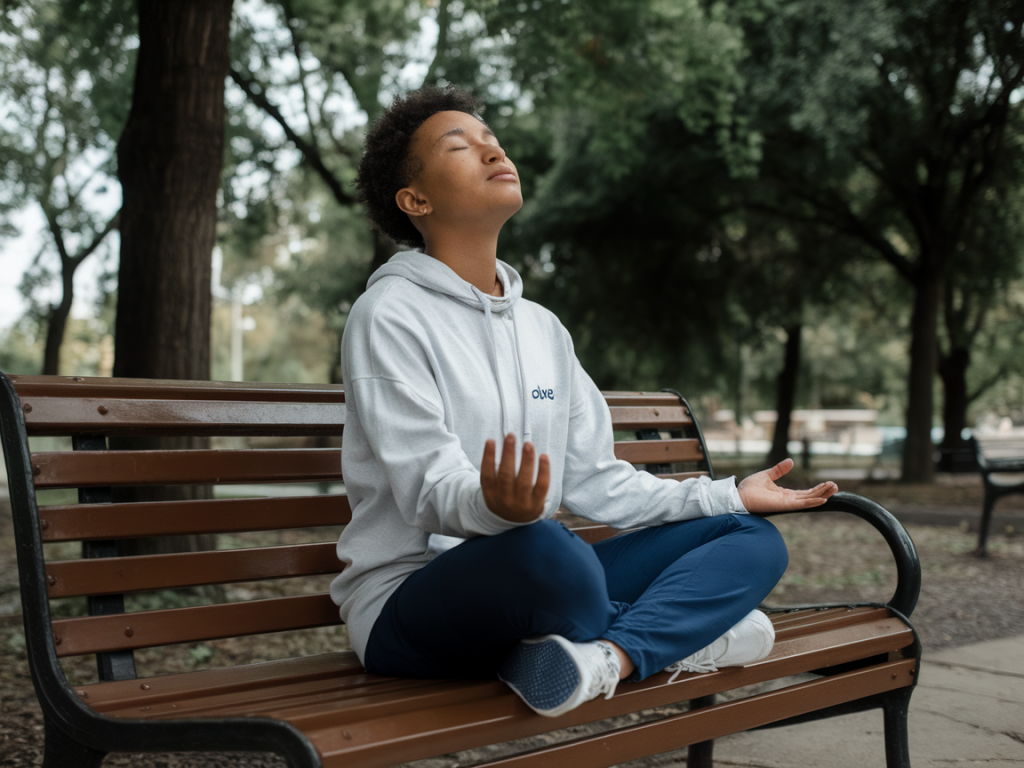
I often find calm in small rituals — a chipped mug of chamomile, tucking a loose thread into a sewing kit, or pausing at the kitchen sink to feel the temperature of the water. One thing that consistently grounds me, especially when a moment of panic sneaks in, is a simple two‑minute breathing break. It’s quiet, portable, and doesn’t require props. Over the years I’ve learnt exactly how to do it, why it works, and the best moments in a busy day to reach for it. Here’s what I do, and how you might try it for yourself.
What the two‑minute breathing break is
The practice I use is a gentle, paced breathing exercise that takes about 90–120 seconds. It’s inspired by simple pranayama (breath control) techniques and modern breathing research — but stripped of any jargon so it feels friendly and doable. The goal isn’t to empty my mind completely, but to slow my heart rate, soften the edges of an anxious spike, and create enough mental space to choose the next step with a little more care.
Here’s the exact pattern I follow:
- Find a position: sit or stand comfortably with a straight spine and softened shoulders. If you’re standing on the Tube or waiting for a kettle, that’s fine.
- Anchor for three breaths: notice the natural rhythm of your inhale and exhale for three cycles — no trying to change it yet.
- Inhale to a steady count of four: through the nose, filling the belly first, then the ribs.
- Pause for a gentle count of two: this is a soft hold — nothing rigid.
- Exhale for a count of six: through the nose or mouth, lengthening the out‑breath slightly longer than the in‑breath.
- Repeat for 6–8 cycles: roughly two minutes.
I keep the counts simple because when panic is rising your thinking can go fuzzy. Four‑two‑six is an easy rhythm to remember. The slightly longer exhale is the key: it signals the parasympathetic nervous system to calm the body, lowering heart rate and reducing the physical sensations that feed panic.
Why two minutes — and why it works
Short practices like this work for two main reasons. First, they’re doable. When you’re halfway through an anxious spiral you don’t want a fifteen‑minute guided meditation or a convoluted breathing method. Two minutes feels possible. Second, the physiological mechanics are effective: slower breathing and longer exhales reduce the body’s stress response, improving vagal tone and helping the brain shift from fight‑flight to a more regulated state.
There’s also a psychological element. Taking two minutes signals self‑care. It interrupts the runaway thoughts and offers a pause where you can make a choice — continue in autopilot or step back and respond differently. For me, that choice has often changed how my day goes.
Exactly when to use this during a busy day
Knowing when to use this micro‑pause is as important as the breath itself. I keep a mental list of "trigger moments" — small, repeatable points in my day where the breathing break slots in naturally. Here are the times I reach for it:
- After a difficult email or message: I close the laptop, take two minutes, then reply. The breathing helps me avoid reactive answers.
- Before a stressful call or meeting: I breathe at the desk or in the restroom just before joining. It steadies my voice and thoughts.
- When I notice physical signs of panic: a fluttering chest, shallow rapid breaths, or a tightness in my throat. The two‑minute pattern slows these down.
- During transitions: stepping from work to home, or between errands. Two minutes marks the boundary and helps me arrive more fully.
- In queues or on public transport: no one notices, and I’ve had some of my calmest resets on a bus window seat.
- Before bed if my mind is busy: it’s shorter than an evening routine and often enough to lower bedtime stirring.
One tip: set a gentle phone vibration or use a tiny timer app so you don’t keep checking the clock. I like Calm’s short timer or the simple built‑in timer on my phone — nothing flashy. Knowing two minutes will pass without watching the seconds makes the exercise more effective.
A little adaptation for different situations
Not all panic looks the same, so I tweak the pattern to suit the moment:
- If I’m dizzy or lightheaded: I shorten the counts (inhale 3, pause 1, exhale 4) and breathe through the nose, keeping it gentle.
- If I’m very tense: I add a shoulder roll or unclench my jaw at the end of each exhale to release physical tightness.
- If I can’t sit quietly: I apply the same rhythm while washing my hands, stirring a pot, or walking slowly — matching the breath to the action.
How I learned to trust these small pauses
There were times I felt silly taking two minutes when there seemed to be an urgent fire to put out. What changed my mind was noticing the difference in outcomes: calmer conversations, clearer decisions, fewer physical aftershocks. I started keeping a tiny notebook — just a line or two noting whether I’d breathed before responding when something felt urgent. Over a few weeks, the patterns became obvious. The moments where I’d paused were less likely to escalate; my replies were kinder and more useful.
Another thing that helped was pairing the breath with a small physical cue — a favourite pendant I touch lightly, or a patch of lavender on my wrist (I like Neal’s Yard for a subtle fragrant roll‑on). The combination anchors the practice in the body and makes it feel like a personal ritual rather than another task.
When to seek more support
This two‑minute technique is a powerful tool for everyday spikes of anxiety, but it isn’t a replacement for clinical help when panic becomes frequent or overwhelming. If you find that these moments are daily, last longer than a few minutes, involve avoidance that limits life, or include severe symptoms, please consider talking to a GP, therapist, or a mental health charity. In the UK, Mind and Anxiety UK are good starting points, and many therapists offer brief cognitive or breathing‑focused interventions that build on this kind of practice.
A tiny experiment you can try today
If you’d like to try it now, set two minutes on your phone. Sit comfortably, follow the 4‑2‑6 rhythm, and notice three things after you finish: one change in your body, one thought that’s different, and one small action you’ll take next. Record it if you like. I often scribble a word in the margin of my to‑do list — “breathe” — and it becomes a little pocket of calm I can return to throughout the day.
These two minutes don’t solve everything, but they do give me the freedom to choose how I meet the rest of the day. If you try it, I’d love to hear what changed for you — even small shifts feel like quiet victories worth sharing.