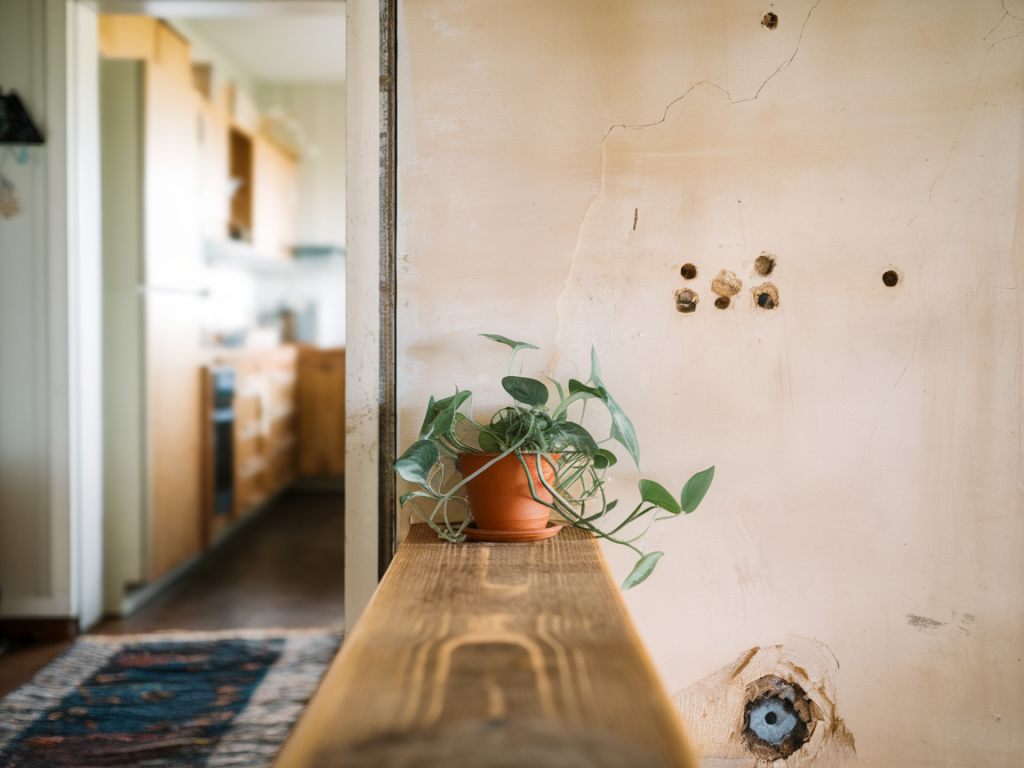
When you love to tinker at home but your tenancy agreement — or your landlord’s strict instructions — forbids drilling into kitchen walls or cabinets, it can feel like every practical idea is off limits. I’ve been there: wanting a tidy knife rack, a slimway shelf, or a roasting pan rack but facing the fear of forfeiting a deposit. Over time I’ve learned a few reliable, removable solutions that keep things neat, useful, and fully reversible for inspections. Below I share three fixes I use and recommend, with exact steps, product suggestions, and small tips to ensure the work passes a final walk-through.
Removable rail and hook systems (no-drill adhesive rails)
Rail systems give you the kitchen organization of a hung rail without a single screw. Think of them for utensils, small pans, mugs, or a spice rail. The key is to use high-quality adhesive rails designed for tile and painted plaster — not cheap sticky hooks that peel off after a month.
What I use and why:
Product examples: Command™ Adhesive Picture Hanging Strips (for low-weight items), Command™ Large Utility Hooks, and for a more permanent-looking rail, the Hettich-style adhesive rail kits available on Amazon or from Ikea’s removable wall systems.Load limits: Always check the product weight limits. Command large hooks typically hold up to 7.2 kg (16 lb) per hook on smooth surfaces; adhesive rails intended for kitchens generally distribute weight across several points.Step-by-step:
1. Clean the surface — wipe tile or cabinet back with isopropyl alcohol (not household cleaners) and let dry fully. Adhesive fails most often because of grease or residue.2. Test a small area — before installing the full rail, attach one adhesive pad and leave for 24 hours to ensure it adheres well, especially if the landlord has recently painted.3. Follow curing time — many adhesives need 1 hour to stick and 24 hours to reach full strength. Avoid loading immediately.4. Evenly distribute weight — use multiple hooks or pads under heavier items and place bulky items centrally to avoid leverage that might peel the adhesive.5. Removal — when it’s time to take them down, follow manufacturer instructions precisely (usually pulling the tab slowly along the wall to release heat and adhesive). Clean any residue with warm soapy water or a little white vinegar.Freestanding and counter-anchored storage solutions
If you can’t risk anything on the walls, bring storage down to counters and inside cabinets. These solutions keep the kitchen functional, look intentional, and are fully portable when you move.
Good options and how to set them up:
Window-sill rail or counter-top rails: Slim rails that sit behind the sink or on the counter edge. You can place utensil holders, small spice caddies, or a magnetic knife strip that clamps to the underside of a shelf rather than the wall.Over-the-cabinet hooks and racks: These hang on cabinet doors and provide instant storage for chopping boards, towels, or pan lids without screws. Ikea and The Range stock good over-cabinet solutions.Tiered wire shelves and freestanding pan racks: Place inside cupboards or on the counter to stack plates, pans, or spices vertically to save space.Step-by-step:
1. Measure your space — make sure the freestanding piece fits without blocking doors or drawers.2. Choose non-slip pads: Add silicone feet or felt pads to the base to prevent sliding and protect surfaces. This also helps during inspections since there’s no scuffing or pressure points.3. Anchor from above, not into walls: For a magnetic knife strip, choose designs that clamp to a shelf edge or sit on the counter rather than adhesive-backed bars.4. Keep it tidy: One reason landlords worry is clutter. Use matching baskets or trays so the freestanding solution looks considered, not temporary chaos.Temporary magnetic and clamp-on fixtures
Magnets and clamps are brilliant when you have metal surfaces (like the side of a fridge or an oven) or robust shelving. They’re extremely low-impact, reversible, and often very sturdy.
Ideas and specific methods:
Magnetic knife blocks and spice holders: These attach to fridge sides or other metal surfaces. Choose strong neodymium magnet-backed products; they hold surprisingly well and are easy to reposition.Clamping under-shelf racks: Products that clamp to existing shelves (like a wire mug holder that clamps to a shelf lip) are fabulous for adding storage in cupboards without altering the shelf.Magnetic hooks and baskets: Use industrial-strength magnetic hooks for pans or heavy items. They come with weight ratings — pick one rated for more than you plan to hang.Step-by-step:
1. Check magnet strength and surface: Clean the metal surface before applying and test with a lightweight item first.2. Protect surfaces: Place felt pads between magnets/clamps and finishes to avoid scratches.3. Distribute load: Don’t hang the heaviest pots on a single small magnet; spread the weight across several points.4. Remove carefully: Lift magnets straight off rather than dragging to minimise surface abrasion.Inspection-friendly touches that save deposits
Passing an inspection isn’t just about no holes in the wall — it’s about leaving the space clean, undamaged, and restoring it to its original look. Here are the small details I always address:
Patch and match paint: Keep a small tester pot of the rental’s paint colour (ask your landlord if they’ll share it). For tiny scuffs, a dab of matching paint makes walls look cared for.Document changes and get permission: Send photos and a short plan to your landlord before installing anything significant. Many landlords appreciate the communication and will often approve reversible fixes.Use protective pads and trays: Place a tray under any heavy freestanding unit; use felt pads under feet to prevent scratches.Keep receipts: Save receipts for any removable fixtures you purchase — if the landlord prefers they remain, you can discuss transferring them or be reimbursed.These solutions aren’t glamorous, but they are practical and, crucially, respectful of rental agreements. Over time I’ve found that a little creativity and good-quality removable products let me enjoy a kitchen that works for daily life — and keeps the security deposit intact. If you’d like, I can share a shopping list of my favourite adhesive rails and magnetic hooks, or walk through a specific layout of your kitchen and suggest which of these fixes would work best.