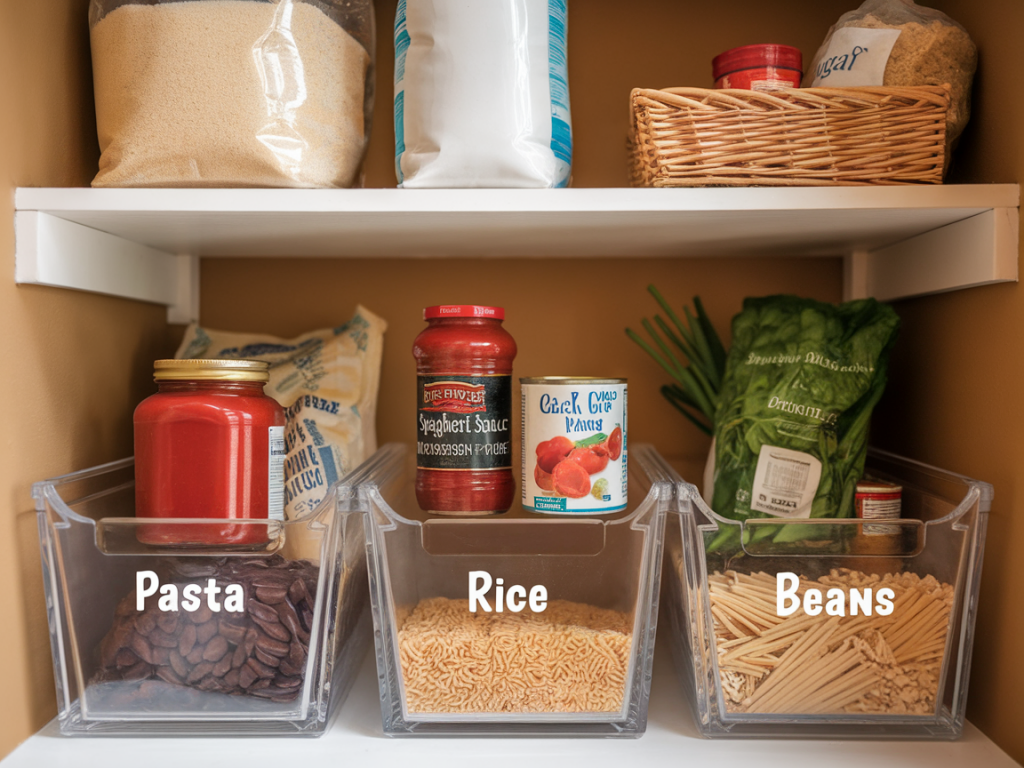
I used to think a small pantry limited what I could cook on busy weeknights. In reality, a tiny, well-organised pantry is one of the kindest things you can give yourself. It saves time, reduces stress and makes pulling together three different meals in under 20 minutes genuinely possible. Here’s the system I use in my snug kitchen — practical, forgiving and focused on ingredients that play nicely together.
Start with a quick pantry audit
The first time I tackled my tiny pantry I sat on the floor with a notebook and emptied every jar, box and tin onto the counter. It felt dramatic but it’s the fastest way to see what you actually have. You don’t need to be rigid — the aim is clarity.
- Discard anything clearly past its use-by date or that you won’t eat (no guilt; donate unopened non-perishables if still good).
- Group similar items together: grains, canned goods, sauces, baking staples, snacks, and spices.
- Note one or two ‘hero’ ingredients you always want to keep stocked — for me it’s canned tomatoes, dried pasta and a tub of red lentils.
Adopt a compact layout that makes sense
With limited shelf space, placement is everything. I arrange items so that the things I reach for on weeknights are at eye level or in the most convenient spot.
- Top shelf: less frequently used items (bulk flour, spare stock cubes, seasonal baking bits).
- Eye level: weeknight workhorses — pasta, rice, canned tomatoes, coconut milk, tuna tins.
- Lower shelf/drawers: heavier items and snack boxes; also jars of oats or pulses in airtight jars.
- Door or side hooks: hanging small baskets for sachets (yeast, bouillon) or oven gloves to free shelf space.
Invest in a few smart containers
You don’t need an entire matching set, but a handful of clear containers and a lazy susan changed everything for me. I use:
- 1-litre glass jars for dried pasta and rice (I prefer glass so I can see contents).
- 500ml jars for pulses and oats.
- A small turntable (lazy susan) for oils, soy sauce, and bottled condiments.
- Stackable tins or baskets for snack packets and tea bags.
Clear labels help, especially when you’re tired at 7pm. I keep labels simple: content and approximate expiry (e.g. “brown rice — opened Apr 2026”).
Build a tiny, flexible ingredient list
The trick to three quick weeknight meals is not to own everything, but to own complementary things. Choose ingredients that can be used across multiple recipes so you can improvise without extra shopping.
- Pantry essentials: canned tomatoes, canned chickpeas, canned tuna, dried pasta, rice, red lentils, oats
- Flavour bases: olive oil, soy sauce, Dijon mustard, vinegars (white wine or apple cider), tomato paste
- Stock & sauces: vegetable stock cubes or a small carton of stock, coconut milk, a jar of curry paste or harissa
- Spices: sea salt, black pepper, smoked paprika, cumin, dried oregano, chilli flakes
- Fresh essentials (keep in fridge): onions, garlic, lemons, eggs, a bag of carrots and a bunch of greens (kale or spinach)
With these basics I can make everything from a tomato-lentil soup to a chickpea stir-fry or tuna pasta — and swap flavours by changing one or two spices or sauces.
How I plan three meals in under 20 minutes
Here’s my practical approach for a typical weekday evening. The key is to think in templates rather than complicated recipes. I usually prepare a simple base (grain or pasta) and pair it with three different protein/veg combinations depending on what’s available.
| Meal template | Quick base | 3 easy variations |
|---|---|---|
| Pasta bowl | Spaghetti or penne, cooked in 10–12 minutes |
|
| Grain bowl | Quick-cooking rice or bulgur (or leftover rice) |
|
| Quick soup/stew | Use canned tomatoes or stock; simmers 10–15 mins |
|
Timing and micro-steps that save you minutes
I aim for under 20 minutes by overlapping tasks. Here’s the short checklist I mentally follow:
- Put the base on to cook (pasta or rice) and set a timer.
- While that cooks, chop one or two fresh items — usually an onion and a carrot or a handful of cherry tomatoes.
- Open a can (tomatoes, chickpeas or tuna) and tip into a pan to warm with a flavouring — garlic and cumin, or tomato paste and oregano, or a spoon of curry paste with coconut milk.
- Finish by stirring the cooked base into the pan, add a squeeze of lemon or a drizzle of good oil, season, and serve.
Little decisions like pre-measuring spices in a tiny ramekin when you’re making dinner regularly can shave off a couple of minutes each time.
Meal ideas to rotate (quick inspiration)
- 15-minute tomato-lentil soup: fry an onion, add garlic, 1 can tomatoes, 100g red lentils, 600ml stock, simmer 12 minutes; blitz or leave chunky.
- Tuna & lemon pasta: toss hot pasta with olive oil, drained tuna, lemon zest, chilli flakes and parsley.
- One-pan coconut chickpeas: sauté onion, add curry paste, canned chickpeas, coconut milk, wilt spinach, serve over rice.
- Stir-fry bowls: use pre-cooked rice, quick-frying veg, soy sauce, a fried egg on top.
Weekly reset that keeps the system working
I do a five-minute check each Sunday evening: glance at my pantry, write down anything nearly finished and pick one fresh veg to use all week (e.g. a large bag of spinach or a tray of cherry tomatoes). This small habit keeps me from running out of the little things that make weeknight dinners interesting.
Brands I trust for small kitchens: I like Tesco or Waitrose canned tomatoes for consistency and Biona or Meridian tins for organic options. For containers, Kilner jars and OXO food storage are durable and stack nicely in tight spaces.
With a few containers, a tight ingredient list and a small planning habit, a tiny pantry becomes a springboard rather than a limitation. It’s reassuring to know that even on a tired evening, three different, satisfying meals are within reach — and usually in under 20 minutes.