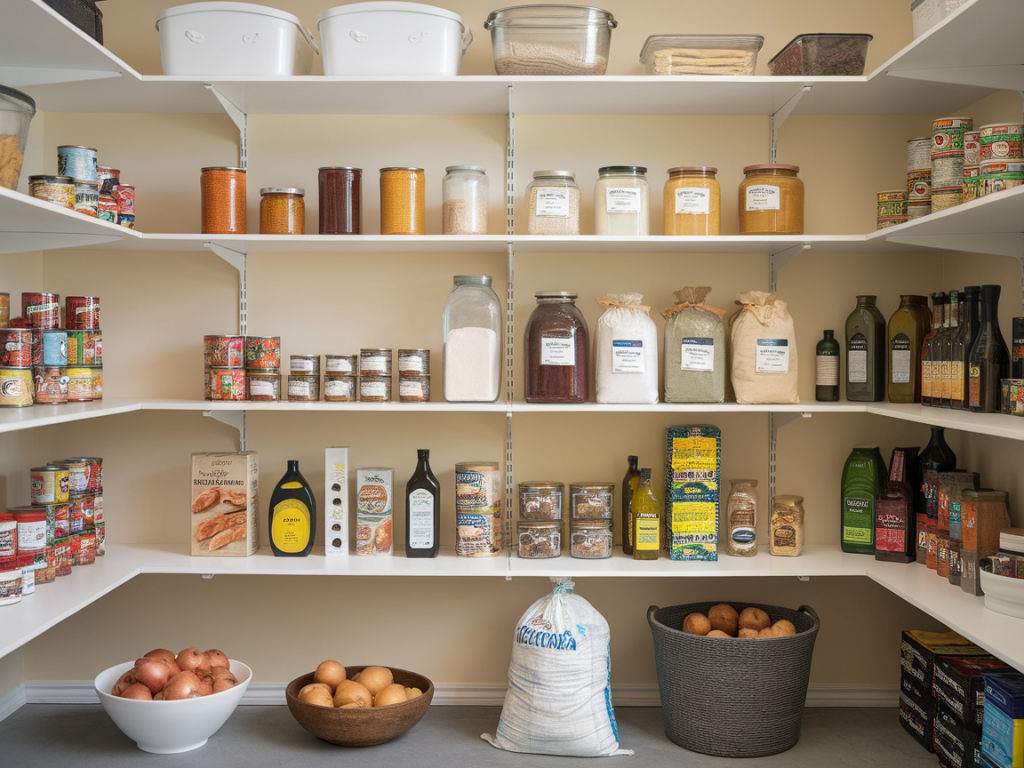
Keeping a pantry that changes with the seasons has quietly changed how I cook, how much I throw away, and how calm my weeknight evenings feel. If you’ve ever opened the cupboard and found mystery jars, limp herbs, or a whole packet of forgotten couscous, you’re not alone. Over the years I’ve learned to build a seasonal pantry list that’s simple to maintain, prevents food waste, and saves time each week — and I want to walk you through the approach I use at home.
Why a seasonal pantry list matters
When I first started paying attention to what stays in my cupboards, the difference was immediate. Shopping became quicker, meal planning easier, and meals tasted fresher because I matched what I already had with what was in season. A seasonal pantry list is not about an exhaustive inventory; it’s about curating a reliable set of ingredients that pair well with seasonal produce, are versatile, and keep well. This reduces the temptation to buy duplicate items and cuts down on the last-minute supermarket dash that often leads to waste.
Start with a small core of staples
Begin by identifying five to eight pantry staples you cook with most weeks. Mine are things like extra virgin olive oil, a small jar of capers, dried pasta, canned tomatoes, brown rice, a jar of good mustard, and mixed dried herbs. These staples form the backbone of many simple meals and are useful across seasons.
- Olive oil: For dressings, sautés, and finishing.
- Canned tomatoes: The base for sauces, soups, and stews.
- Dried grains/pasta: Quick one-pot dinners or grain bowls.
- Vinegars and condiments: Mustard, soy sauce, honey for brightening dishes.
- Legumes: Lentils and chickpeas for protein-rich, long-lasting meals.
Keep these in visible, easy-to-reach places. When you can see what you have, you’re far less likely to buy extras.
Match pantry items to the season
Seasons change the produce that’s best and cheapest, and your pantry should support that. In spring I want staples that work with asparagus, peas, and light herbs: olive oil, lemon, fresh pasta, and a jar of pesto. In autumn I lean towards root vegetables and braises — so stock up on stock cubes (or make batches of vegetable stock to freeze), robust whole grains like barley, and a tin of pulled tomatoes for slow-cooked stews.
Here’s a quick seasonal pantry table I use as a starting point. Adapt it to local availability and your favourite meals.
| Season | Helpful Pantry Items | Typical Fresh Produce to Pair |
|---|---|---|
| Spring | Fresh pasta, lemon preserves, white beans, pesto, light vinaigrettes | Asparagus, peas, new potatoes, spring onions |
| Summer | Canned tomatoes, olive oil, couscous, capers, basil-infused oils | Tomatoes, courgettes, peppers, berries |
| Autumn | Barley, canned pumpkin, root vegetable stock, dried mushrooms, warming spices | Squash, carrots, beetroot, apples |
| Winter | Red lentils, tinned chickpeas, long-lasting greens (kale), anchovies, stock jars | Root veg, hearty brassicas, citrus |
How to build your seasonal pantry list in 4 practical steps
Here’s a simple method I use whenever the season shifts or I need to tidy up the cupboards.
- Step 1 — Empty and assess: Take everything out of one section (a shelf or a cupboard). Check expiry dates, note what you use regularly, and toss anything truly past its prime.
- Step 2 — Group like with like: Put grains together, canned goods together, baking supplies together. Grouping helps you see if you have multiples of the same thing.
- Step 3 — Make a short list of 5–8 seasonal pairings: For example, if it’s summer, list: canned tomatoes + couscous + basil + olives + feta. Use those pairings to plan three to four go-to meals for the week.
- Step 4 — Buy consciously and in small quantities: Replace only what you used up or what complements seasonal produce. I find buying a little more of something I use daily (like olive oil) and less of things I rarely cook with prevents both shortage and waste.
Weekly rhythm that prevents waste
I pair my seasonal pantry with a gentle weekly routine that keeps the contents rotating and the waste bucket empty.
- Sunday 15-minute stock-take: A quick glance at the shelves to see what’s low or what could form the base of a week’s meals. I jot down two pantry-based dinners and one leftover night.
- Plan around produce: Buy in-season vegetables at the local market midweek if possible — they last longer and inspire simpler recipes.
- Cook once, eat twice: Make a big-ish batch of something adaptable (stew, baked grains, roasted vegetables) and use it across two meals — a bowl and a salad topper the next day, for example.
- Label and date home-made items: Jams, stocks, and sauces go into jars with a simple sticker and date so you can see what should be used first.
Common questions I hear (and how I answer them)
“Won’t a seasonal pantry limit what I can cook?” Not at all. It gives a flexible foundation. Think of it as a toolbox: the better you know the tools, the more creative you can be with them. Seasonal produce adds variety naturally.
“How do I stop small items from getting lost?” Use clear containers or a simple tray for smaller things like sachets, seeds, and jars. I keep a small basket for spices I use often and rotate it to the front of the shelf.
“What if I don’t have time to plan weekly?” Then simplify. Keep a master list of five go-to pantry meals that take 30 minutes or less. When you’re short on time, pick one and pair it with whatever seasonal veg is on offer.
Tools and products I find useful
- Clear glass jars: For pulses and grains — they look tidy and you can see levels instantly. I like weighed lids from Kilner for little extras.
- Sticky labels + a permanent pen: For dates and notes on homemade stock or sauces.
- A small whiteboard or notepad: Hung inside a pantry door for the weekly list. It’s easier to add items as you think of them.
- Reusable produce bags: Keep in the kitchen drawer so you don’t end up buying too many plastic bags at the market.
Building a seasonal pantry doesn’t need to be rigid or perfect. Start small, notice what you use, and let the list evolve with your cooking. The result is calmer shopping, fewer wasted ingredients, and a cupboard that helps you cook rather than overwhelms you.