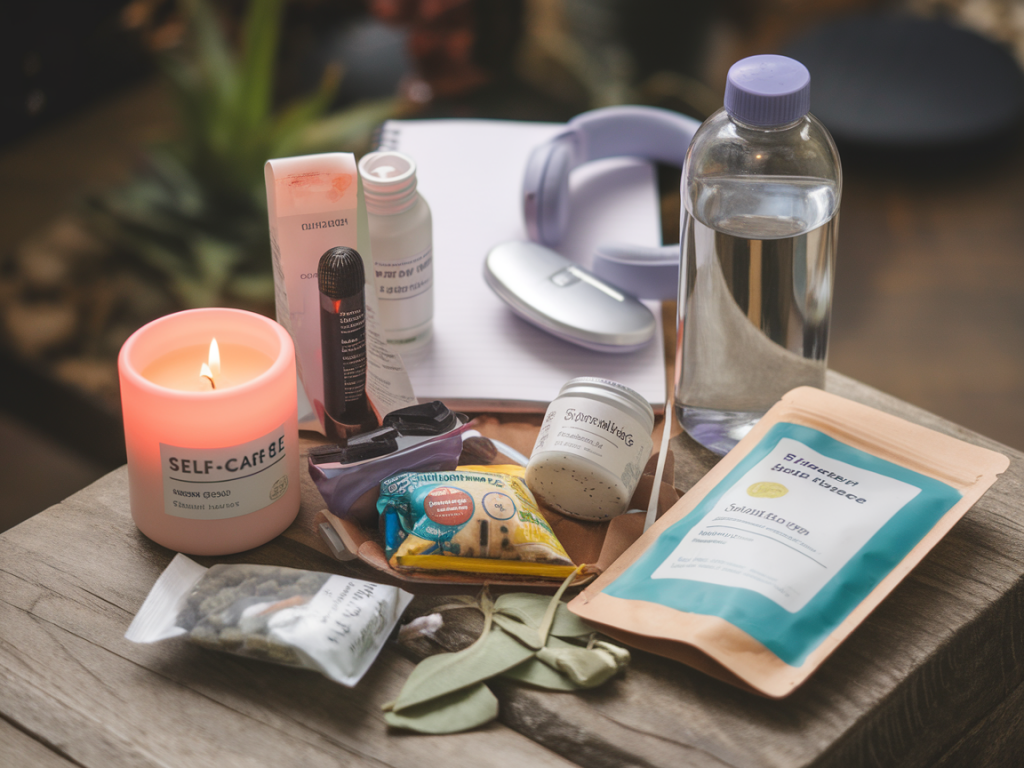
Some days arrive heavy without warning — a sudden wave of sadness, a panic flare that tightens my chest, or a weariness that makes even making tea feel impossible. Over the years I’ve learned that having a small, ready-to-go self-care emergency kit can make these unexpectedly hard days feel a little more manageable. It’s not a magic cure, but it’s a collection of gentle, practical things that help me slow down, breathe, and find a tiny foothold.
Why I keep a self-care emergency kit
For me, the value of a kit isn’t just the items inside but the signal it sends: I’ve planned for this, and I can take one small action. On hard days my decision-making feels clouded, and that’s exactly when a simple, prepared set of comforting objects is most useful. I pack things that appeal to the senses, soothe my nervous system, and offer simple, achievable comfort.
Where I keep mine
I use a soft, zip-top toiletry bag that lives on the top shelf of my wardrobe. It’s easy to grab and small enough to tuck into a backpack if I need to head out. You could also have one in a bedside drawer, in your work bag, or even in your car — wherever you’re most likely to reach for it when you’re not feeling like yourself.
What’s in my self-care emergency kit
Below are the items I keep and why they help. Think of this as a template you can adapt — personalise it with the smells, textures, and snacks that make you feel safest.
- Hydration: A small stainless-steel refillable water bottle or a few sachets of powdered electrolyte mix. When I’m stressed I often forget to drink; having something visible reminds me to sip, which steadies my body.
- Comforting drink: A few tea bags of a calming blend (I like chamomile or a lemon balm mix) or hot chocolate sachets for a treat. The ritual of making and holding a warm cup is quietly stabilising.
- Snack: A simple, familiar snack — a small tub of Greek yogurt (if kept in a cooler), a packet of oat biscuits, a dark chocolate square, or homemade granola. I avoid highly stimulating or overly sugary snacks that make my mood swing.
- Favourite scent: A mini roll-on of essential oil (lavender or bergamot) or a pillow mist. Smell is instantly transportive; a few deep inhales of a soothing scent can shift my nervous system.
- Warmth: A reusable hand warmer, a soft scarf, or a small microfibre blanket. Heat is calming — even holding a warm pack for five minutes can relieve tension.
- Noise control: Foam earplugs or compact noise-cancelling earbuds with a short playlist of calm tracks or a grounding podcast queued up (I like tracks without lyrics for this).
- Grounding item: Something tangible to anchor me to the present — a smooth pebble from a walk, a small wooden worry bead, or a textured stone. I name it in my head (“this is my pebble”) and use it to count breaths.
- Quick self-talk prompts: A tiny card with short grounding phrases I’ve written for myself: “You are safe right now,” “Five breaths,” “One small thing.” Having these words already written removes the effort of recalling them.
- Basic meds and first aid: Paracetamol/ibuprofen, any prescribed meds, and a few plasters. I also include a small tube of arnica if bruising or muscle ache is part of my low day.
- Skincare comfort: A gentle hand cream (I keep a little tube of L’Occitane or a saviour of a cheap UK high-street brand), lip balm, and a soothing face mist. The act of caring for skin is a small ritual that says I am worth attention.
- Paper and pen: A tiny notebook and a pen. If I can, I write a list of tiny tasks or a brief “brain dump” — getting worries out of my head onto paper immediately reduces their power.
- Distraction tools: A small puzzle book, a colouring postcard set, or a deck of simple prompts: “Name five things you can see.” These are low-pressure ways to shift focus without forcing cheerfulness.
- Contact list: A folded card with two or three names of people I can text or call and a short script I can use if I struggle to find words. Sometimes I write “Would you mind dropping a message? I’m having a hard moment.”
- Bright light aid: A tiny LED torch or a compact daylight lamp app on my phone. If my mood dips with grey skies, a bright light for a few minutes can help.
How I choose what to include
I start with the senses — what calms my body and what distracts my mind without overwhelming it. Texture matters: a soft scarf or a pebble feels better than something scratchy. I also keep practicality in mind: things that don’t need power (like hand cream) or that work in different settings (a pocket-sized tea or a snack that doesn’t melt).
Brands can help when reliability matters. I trust small, concentrated roll-ons like Neom or a tinny of Whittard hot chocolate because they’re familiar. But cheaper options are fine too — what matters is that the items become linked with calm for you.
How I use the kit when things feel bad
There’s no strict order, but here’s a gentle ritual that often helps me:
- Find a quiet spot and sit down with your kit within reach.
- Take three slow breaths and reach for my grounding item. Hold it for 30 seconds, naming the texture, temperature, and shape silently.
- Make a warm drink or sip water. Rituals that involve warmth or fluid intake are calming.
- Use a short distraction (colouring or a puzzle) for five minutes to give my brain a break from cyclical thoughts.
- If I feel able, I do a 1–2 minute body scan, moving attention slowly from my toes to my head, applying a little hand cream as I go.
- Either reach out to a person on my contact card or write a one-line note in my tiny notebook about what I need right now — even if the note is “I need a nap.”
Maintaining and personalising your kit
I check my kit monthly so food hasn’t expired and my tea bags are dry. I replace items that feel stale or unhelpful; after a few months I swapped a meditation app for a small jigsaw because it helped more. Creativity matters here — add a small postcard with a calming photo, a sachet of your favourite cocoa, or a tiny recipe card for an easy soup.
This kit doesn’t prevent bad days, but it makes them less isolating. It’s the small, kind gestures we give ourselves — a warm drink, a familiar scent, a pebble to hold — that help us keep going. If you try making one, start small, and let it grow with you.