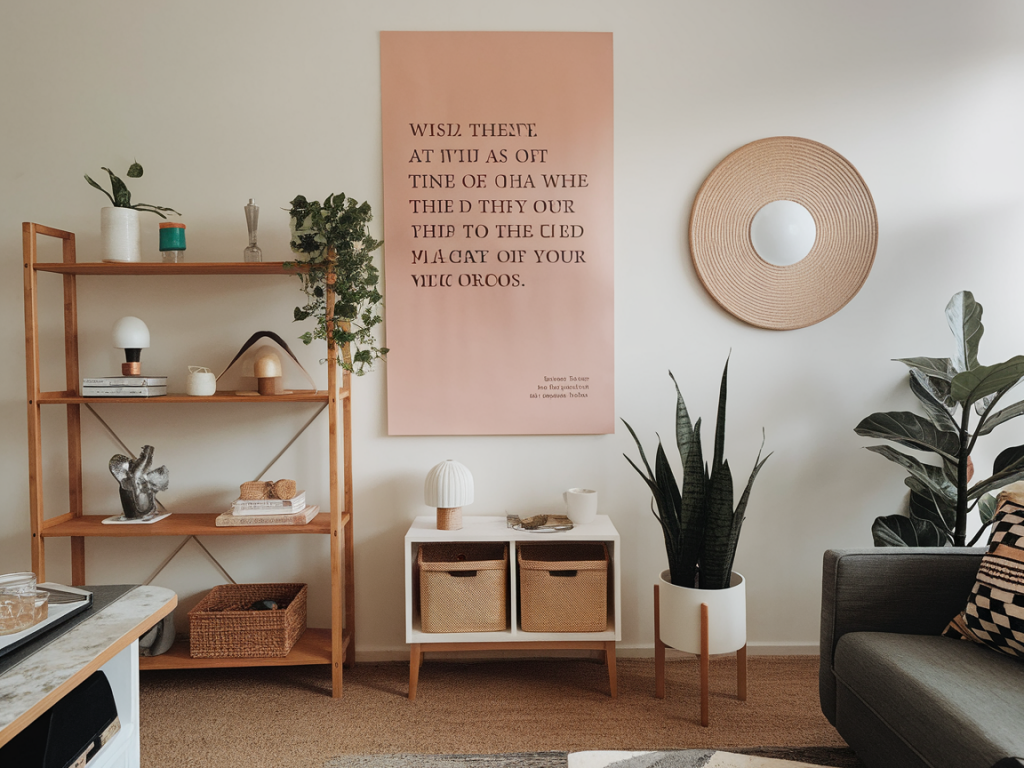
Renting shouldn’t mean living in a bland, characterless box. Over the years I’ve learned that with a little creativity—and a few rental-friendly products—you can make a place feel like yours without risking your deposit. When my last landlord refused permission to repaint, I had to get inventive. The results surprised me: temporary upgrades can look professional, cohesive, and thoughtfully designed if you approach them with a clear plan.
Start with a plan: decide what matters most
Before buying anything, I take five minutes to decide which changes will make the biggest difference to how I use and enjoy the space. That usually means prioritising one or two focal areas rather than trying to redo every surface. For me these are often the living room wall behind the sofa, the bedroom window area, and the kitchen backsplash. Focusing helps keep costs down and ensures I don’t overdo removable solutions that might look cluttered.
Ask yourself:
- Which room do I spend the most time in?
- Do I want to change colour, texture, or both?
- How much time and money am I willing to invest?
Removable wallpaper and peel-and-stick solutions
Removable wallpaper is my go-to when painting is off the table. Brands like Tempaper, Chasing Paper and Wallpaper Direct’s peel-and-stick range have come a long way—patterns are subtle, textures read well in photos, and installation is forgiving. I once used a muted matte grasscloth lookalike to cover one wall and it immediately elevated the whole room.
Tips for success:
- Measure twice, buy a little extra. Pattern repeats mean you’ll need extra to match seams.
- Use a smoothing tool and a craft knife for neat edges; scissors will leave ragged lines.
- Work in vertical strips and keep the surface clean and dust-free for best adhesion.
Temporary paint alternatives and wall treatments
If wallpaper feels too bold, there are softer options that still feel deliberate. Removable wall stickers and large fabric panels hung on curtain rods can create a tailored look. I often stretch a large piece of linen fabric over a cheap canvas frame for a textured focal panel—low cost, easy to remove, and it looks like a bespoke upholstered wall when finished neatly.
Another trick I love is temporary paint rollers that create a washed effect using diluted chalk paint or water-based craft paint. Because you’re not aiming for perfect coverage, it’s forgiving and can be removed with a damp cloth if needed (test a hidden patch first).
Upgrade lighting without rewiring
Lighting changes make the biggest impact on atmosphere. I add plug-in wall lights, smart bulbs, and floor lamps to create layers of light. For a professional look, choose lamps with a cohesive metal finish (brass or matte black feels elevated) and position them at eye level for comfortable reading light.
- Smart bulbs (Philips Hue, Ikea Tradfri): change colour temperature and dim without new wiring.
- Clips and wall lamps: use Command adhesive hooks to secure lightweight fixtures where you can’t drill.
- LED strip lights: perfect under cabinets or behind a TV for ambient glow—peel-and-stick and easy to hide.
Temporary hardware: curtains, shelves and hooks
Small details like new curtain poles, shelf brackets and cabinet knobs can make a space feel finished. Tension rods are brilliant for lightweight curtains and don’t require drilling. For shelves, I use freestanding ladder shelves or picture ledges that rest on furniture. Command Strips and 3M picture hangers are lifesavers for hanging art and lightweight shelves without leaving marks.
When you want the look of built-in shelving but can’t install anything permanent, try leaning a narrow bookcase into a recess and style it with baskets and ceramics to hide its freestanding nature.
Professional-looking floors and rugs
Good rugs anchor a room. I choose a large rug to unify furniture rather than lots of small mats. If the flooring is particularly dated, peel-and-stick vinyl floor tiles can be a renter-friendly fix: they’re easy to lay and remove (but always check your tenancy agreement first). For a non-invasive upgrade, layer a thin rug over the existing floor and add protective pads to prevent slipping.
Kitchen and bathroom updates without breaking rules
Kitchens in rentals often look tired but you can do a lot without replacing cabinets. Try peel-and-stick backsplash tiles (look for heat- and water-resistant options near cooking areas), or use removable vinyl decals behind sinks. Swap cabinet knobs and replace tap aerators with modern finishes (these are usually screw-on and simple to replace).
In bathrooms, adhesive bathroom shelves, over-the-door organisers and a good shower curtain can instantly feel neater. If grout is mouldy, use a sharp grout pen to refresh lines—this is a quick, inexpensive change that reads as much more impactful than it is.
Style with textiles, plants and art
Textiles are one of the quickest ways to warm a rental. Cushions, throws, and curtains bring texture and colour without permanence. Plants soften edges and add life—choose low-maintenance varieties like snake plants, pothos, or ZZ plants if you’re not green-thumbed. I keep a pair of matching planters to create symmetry; it looks curated even when the plants are simple.
Art is where rentals often feel impersonal. I create a gallery wall with lightweight frames hung on picture-hanging strips. For large-scale pieces, I sometimes prop framed prints on the floor against the wall—that relaxed look is on-trend and completely deposit-safe.
Practical tips and a quick comparison table
Below is a small table I use when deciding which temporary fix to choose. It compares visibility (how much it changes the room), cost, and ease of removal.
| Solution | Impact | Approx. Cost | Ease of Removal |
|---|---|---|---|
| Removable wallpaper | High | £50–£200 | Moderate (peels off, may need adhesive remover) |
| Peel-and-stick backsplash | Medium | £20–£80 | Easy to moderate |
| Temporary lighting (smart bulbs, plug-in lamps) | High | £20–£150 | Very easy |
| Textiles and rugs | Medium | £10–£200 | Very easy |
| Adhesive hooks and picture strips | Low | £3–£30 | Very easy |
Final practicalities: permissions and testing
Always read your tenancy agreement. Some landlords tolerate cosmetic changes if told in advance. I’ve saved myself stress by asking for written permission for any bigger change (like covering an entire wall). For anything adhesive, test a small hidden area first—some paints or finishes can react badly and you don’t want to be stuck with a surprise on move-out day.
Living in a rented flat doesn’t mean settling for boring. With thoughtful, temporary upgrades you can create a layered, professional-looking home that reflects you. If you try any of these ideas, I’d love to hear how you adapted them—drop a note on Restoring Daisy at https://www.restoringdaisy.co.uk or share a photo on the blog comments.