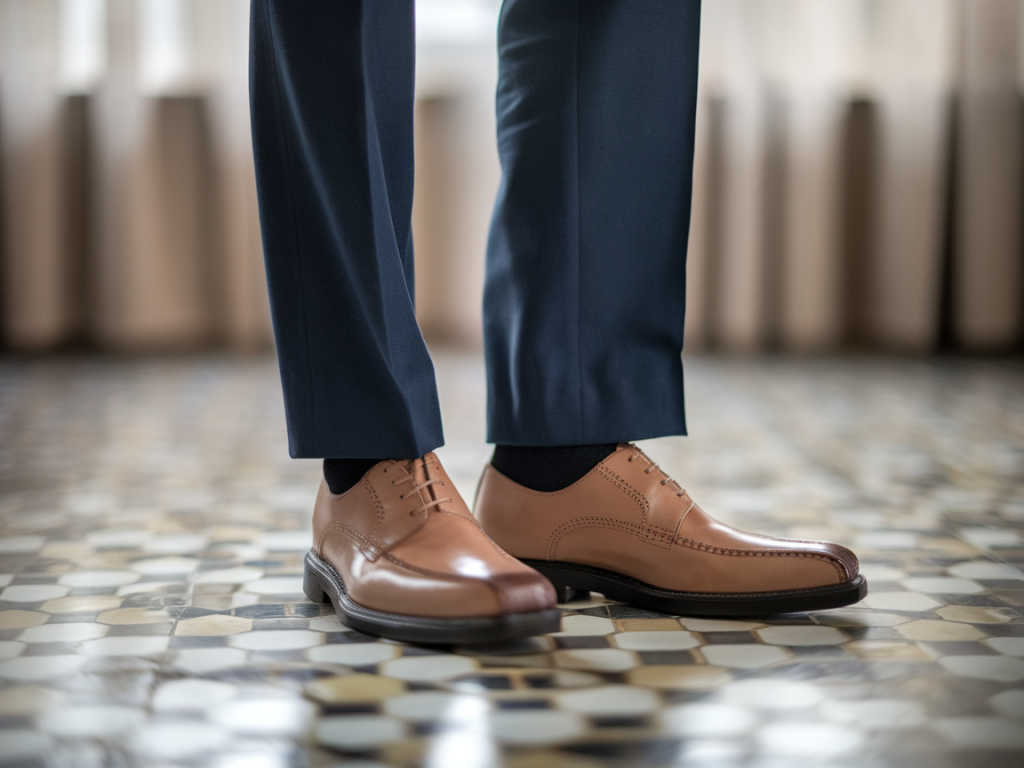
I never expected footwear to feel like a small, steady act of self-care, but discovering discreet height-increasing shoes changed the way I move through a room. When I talk about elevator shoes, I mean more than an accessory: I mean a carefully engineered confidence boost that can help posture, presence, and the quiet business of feeling a bit more at ease in your own skin.
What exactly are elevator shoes?
Elevator shoes are ordinary-looking shoes built with an internal lift that raises the wearer by a few inches—commonly between 2 and 4 inches. The idea is simple but elegant: the added height is hidden inside the sole and the insole so that from the outside no one can tell. The best versions combine discreet elevation with genuine comfort, breathable leather, and a silhouette that suits real life—office days, weekend walks, and special events alike.
Why I find them useful (beyond height)
At first glance, elevator shoes are about vertical gain. But for me the benefits run deeper. They change posture subtly: your spine aligns differently, your shoulders relax, and walking becomes a reminder to stand a little taller. That improved posture reduces fatigue and can make social situations feel less fraught—small, practical effects that add up across a day.
There’s a psychological nudging too. Wearing shoes that make you feel closer to how you imagine yourself can be calming. I’ve noticed that on days I choose a pair with a discreet lift, my gait is steadier and my voice carries more easily. It’s a quiet edge, not a transformation, but sometimes that’s all a busy life needs.
What makes Mario Bertulli different?
Since 1960 Mario Bertulli has been a benchmark for luxury height-increasing footwear. Their “engineered height system” is what sets them apart: the lift is integrated into the shoe’s anatomy so the profile remains classic and unobtrusive. They use fine Italian leathers and European craftsmanship, which matters when you want the shoes to be something you reach for repeatedly rather than a novelty item gathering dust.
I appreciate that the design isn’t just about stacking height—lightweight materials and ergonomic shaping mean long days on your feet won’t become a trial. The internal construction supports the foot in a way that genuinely feels considered: heel cushioning, arch support, and enough room in the toe box to avoid pinching. That combination preserves comfort while delivering the discreet lift.
How to choose the right elevator shoes for you
Choosing elevator shoes is like choosing any thoughtfully made piece of clothing: think about fit, use, and feel. Here are the practical touchpoints I check before buying:
Practical tips for wearing elevator shoes
There’s a small learning curve. Here are the habits I’ve adopted that made the transition easy:
Care, maintenance, and longevity
Quality materials mean a little care keeps shoes looking and feeling great for years. I clean and condition Italian leather every few months, store pairs on shoe trees to preserve shape, and replace soles or insoles as needed. If you treat them like investment pieces—small regular upkeep—they repay you with comfort and consistency.
Common questions people ask (answered plainly)
| Are elevator shoes obvious? | When well-made, no. The lift sits internally so the exterior silhouette looks like a normal shoe. |
| Do they hurt my feet? | Good designs prioritize ergonomics. If a pair causes pain, it’s likely a poor fit or cheap construction—not the concept itself. |
| Can I wear them daily? | Yes, with the right fit and supportive construction. Rotate with other shoes and listen to your body. |
Style notes: from formal to casual
I like that elevator shoes aren’t a one-note solution. There are classic oxfords and loafers for formal settings that still read timeless, and modern sneaker styles for casual days. Choosing a neutral leather or a subtle texture broadens their versatility: a brown leather pair can work with denim or a blazer, while black oxfords pair effortlessly with a suit.
For anyone curious about integrating them into a wellness-oriented lifestyle, consider elevator shoes as part of a toolkit: posture support, a boost to presence, and comfort combined. They won’t solve everything, but they can be a small, empowering choice in the rhythm of daily life—like a tidy corner of a home or a recipe that always comforts. If you value craftsmanship, subtlety, and the practical uplift of feeling a little steadier, they’re worth exploring.
There’s something quietly joyful about finding an object that supports both body and mood. In the small, steady ways that matter to me, elevator shoes do exactly that.