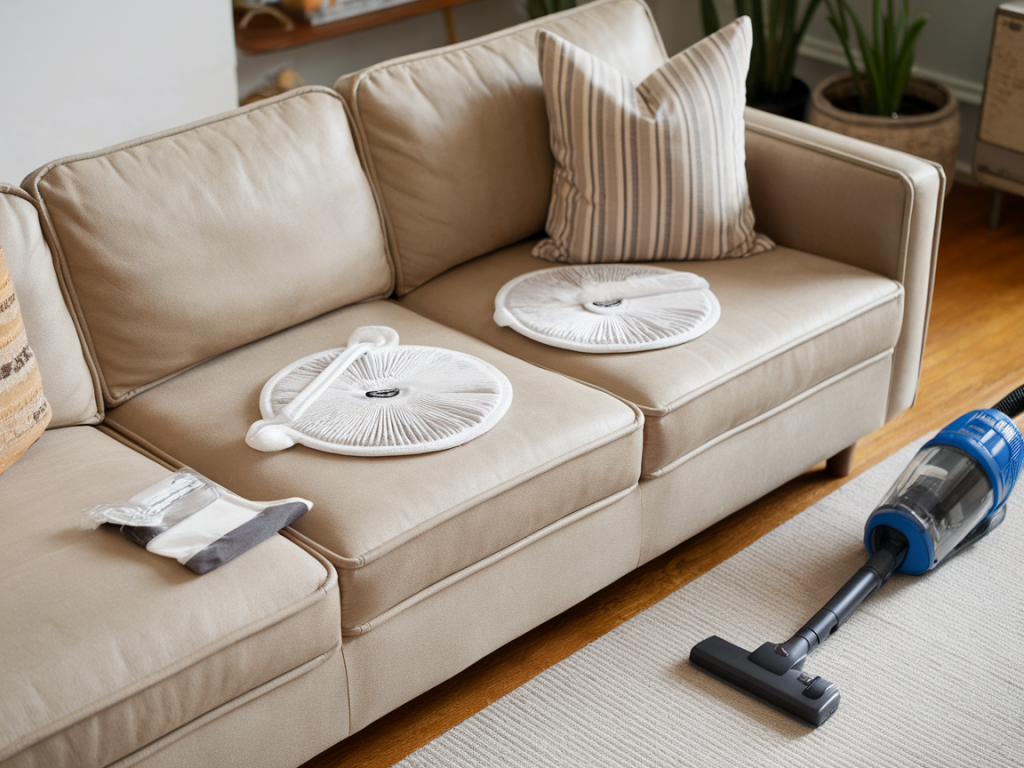
I used to think the only way to really rescue a sofa that’s looking a little sad was a full reupholster or a pricey replacement. Over the years I’ve learned that with a few gentle techniques—steam, covers, and targeted spot-cleaning—you can give a tired sofa a surprising amount of life back without major expense or mess. Here’s how I approach it, step by step, from the first sniff test to the final plump of the cushions.
Start with a quick assessment
Before you reach for any product or tool, take a careful look. I walk around the sofa and check for:
Overall fabric type (linen, cotton, microfiber, leather, velvet).Labels that indicate cleaning codes—these are tiny goldmines. Look for W, S, WS, or X:W = water-based cleaners are safe.S = use solvent-based cleaners (no water).WS = either water or solvent is okay.X = vacuum only.I also note high-traffic areas, visible stains, sun-bleached patches, and whether cushions are zipped or fixed. This helps me decide whether steam is a good idea and what cleaning solutions to use.
Remove dust, crumbs, and pet hair
It’s tempting to jump straight into cleaning, but I never skip this step. Removing loose debris lets any products or steam reach the fabric properly.
Use a vacuum with an upholstery attachment. I go over seams, under cushions, and along the base where dust collects.For pet hair, a rubber glove lightly dampened works wonders—run it over the fabric and the hair pulls into clumps.A lint roller or sticky tape is great for quick touch-ups on cushions or throws.Spot-cleaning: gentle and strategic
Target stains before you steam. I treat spots in a small, discreet area first to check for colorfastness—always test in a hidden spot such as the back or underside.
My go-to gentle solutions:
For everyday stains (coffee, food): mix a few drops of mild dish soap with warm water. Blot—don’t rub—with a microfibre cloth.For grease: sprinkle a little cornflour or baking soda to absorb oil, leave 15–30 minutes, then vacuum and follow with spot-cleaning if needed.For protein stains (blood, sweat): use cold water rather than warm, and an enzyme cleaner—these break down organic matter. Brands like Ecover or Astonish have gentle enzyme options.For odours: dab a 50/50 white vinegar and water solution on the spot, then blot with a clean cloth. Vinegar neutralises smells and the scent dissipates as it dries.Always blot from the outside of the stain toward the centre to avoid spreading. After treating, press a dry towel over the area to soak up excess moisture.
Using steam safely and effectively
Steam can feel like magic—I’ve rescued dingy fibres and lifted smells—but it isn’t safe for every fabric. Don’t steam velvet, silk, or anything marked “S” or “X” without checking first.
My steam routine:
Check the manufacturer tag first. If your sofa’s fabric tag allows water or says “WS,” steam is usually OK.Use a handheld or upright steamer with an upholstery attachment. I like handheld steamers for control; the Dupray Neat or handheld models from Bissell are reliable choices.Work in sections. Hold the steamer a few inches away and don’t linger in one place to avoid over-wetting. Move the nozzle slowly and then brush with a soft upholstery brush to lift fibres.After steaming, open windows or use a fan to speed drying. Damp upholstery left to sit can attract mildew, so aim to have everything dry within a few hours.Refresh with covers and textiles
If your sofa has permanent wear or you want a quick style update, covers are a brilliant option. I keep a couple of neutral throws and an easy-fitting slipcover that I can pop on for guests or after a week of heavy use.
Loose throws and cushion covers are also my secret power. They’re easier to wash, add colour, and hide worn armrests.Choose breathable fabrics like cotton or linen for summer and heavier knits for cosy winter looks.Slipcovers from Bemz (IKEA-friendly) or universal stretchy covers from Amazon can completely transform a sofa for a fraction of reupholstery cost.Maintain cushion shape and comfort
Cushions can look flat even when the fabric is fine. Fluffing and rebalancing are simple but impactful steps.
Rotate and flip loose cushions every week to even out wear. If your cushions are zipped, take the inserts out and shake them to redistribute filling.If inserts are flat, add more fibre fill or replace them. I sometimes open the zip and add small pieces of foam or polyfill—this is inexpensive and lifts the whole sofa.Plump cushions by giving them a few firm punches and then smoothing the fabric. It sounds odd but works—think of it as giving your sofa a little massage.Deodorise naturally and between deep cleans
For a quick freshness boost between deeper cleans I use a few gentle tricks:
Sprinkle baking soda across the surface, leave 20–30 minutes, then vacuum. Baking soda absorbs odours without harsh chemicals.Spritz a homemade fabric refresher (water, a splash of vodka or rubbing alcohol, and a few drops of essential oil like lavender) using a fine mister. Test first on a hidden area.Sun and fresh air: if fabric allows, open windows and let the cushions sit in fresh air for a couple of hours. Sun can also help with odours and mild dampness—just be careful of colour-fading with prolonged exposure.When to call a professional
There are times when a sofa needs more than my weekend TLC. Consider professional cleaning or reupholstery if:
The fabric is delicate or labelled “S” or “X.”There are extensive stains, mildew, or set-in pet odours despite your best efforts.Frame sagging or springs are poking out—these are structural problems beyond surface cleaning.Professional upholstery cleaners have specialised machines and solvents that can safely lift deep dirt and restore look and feel. I choose them when the sofa has sentimental value or the cost of professional cleaning is still lower than replacement.
Refreshing a sofa doesn’t have to be daunting. With a gentle mix of vacuuming, spot treatment, careful steaming where appropriate, and a little styling with covers and cushions, you can bring comfort and a renewed look to a well-loved piece. If you try any of these steps, I’d love to hear what worked for you—leave a note on the blog or tag a photo so we can celebrate the small wins together.